Sixteen Years: Hosting WACEM in the Cradle of Humankind
From one residency in 2010 to a world congress in Addis

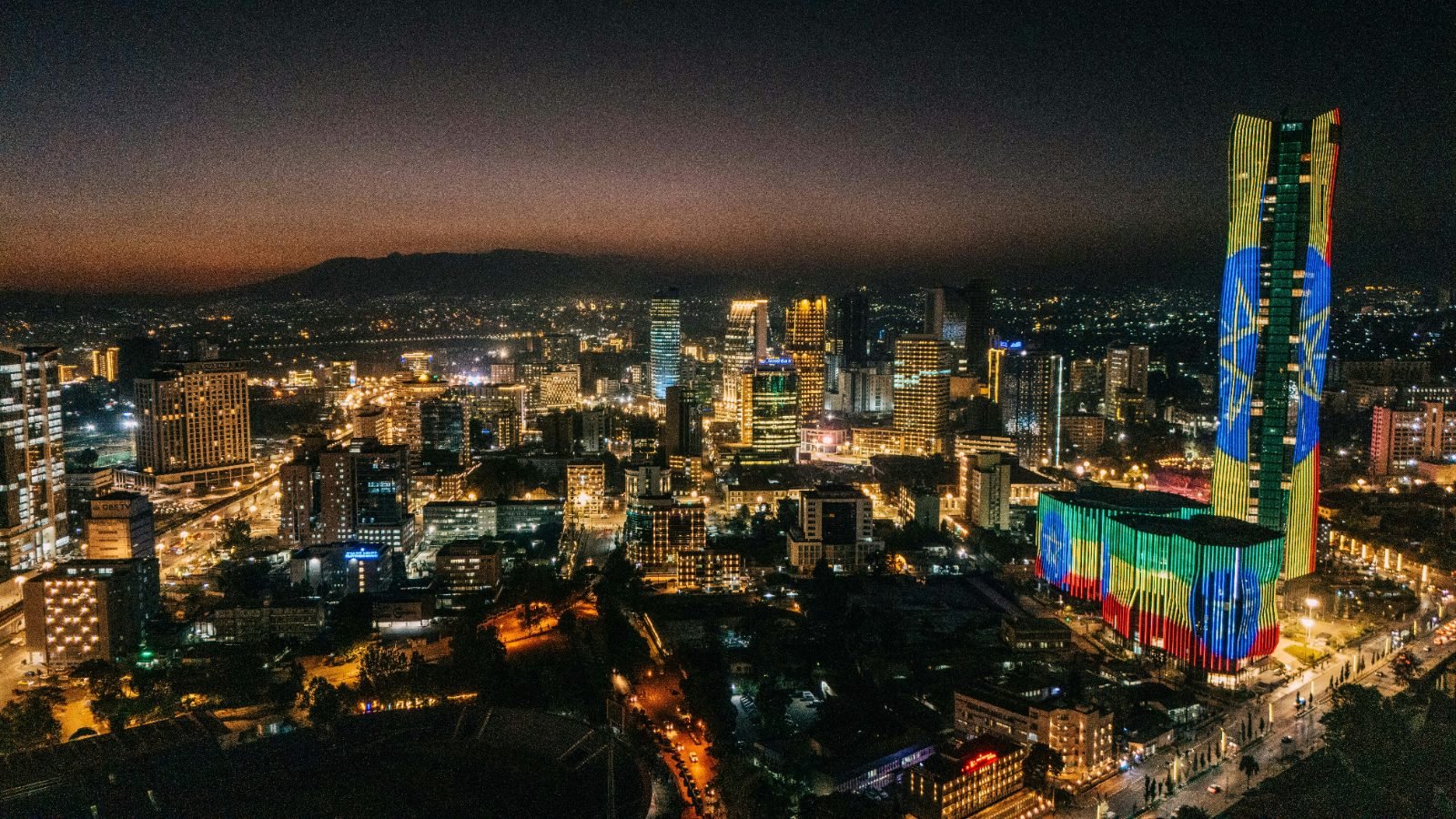
Sixteen years ago, Ethiopia’s first emergency medicine residency was just getting off the ground.1 This week the world’s emergency doctors are landing in Addis.
This is actually happening. The World Academic Congress of Emergency Medicine (WACEM) opens in Addis Ababa after 29 hours: the pre-congress leadership conference on October 26, then the main congress October 27 to 29 at the Adwa Victory Memorial . The program lists 60+ international speakers, and the theme is building resilient emergency care systems.2 This congress is taking place in Africa for the first time.
Honestly, I’m proud this is happening in Ethiopia. We were never colonized3, we have our own Ge’ez script 4, a 13-month calendar, and a clock that starts at dawn 5. We’re the home of Lucy6,7 and the birthplace of coffee 8. We also have Gadaa, which UNESCO listed in 2016 as an indigenous democratic system of the Oromo, with leadership rotating every eight years. 9 Hospitality here is a coffee ceremony, not a slogan. Ethiopia's heritage, diversity, and geography defy words.
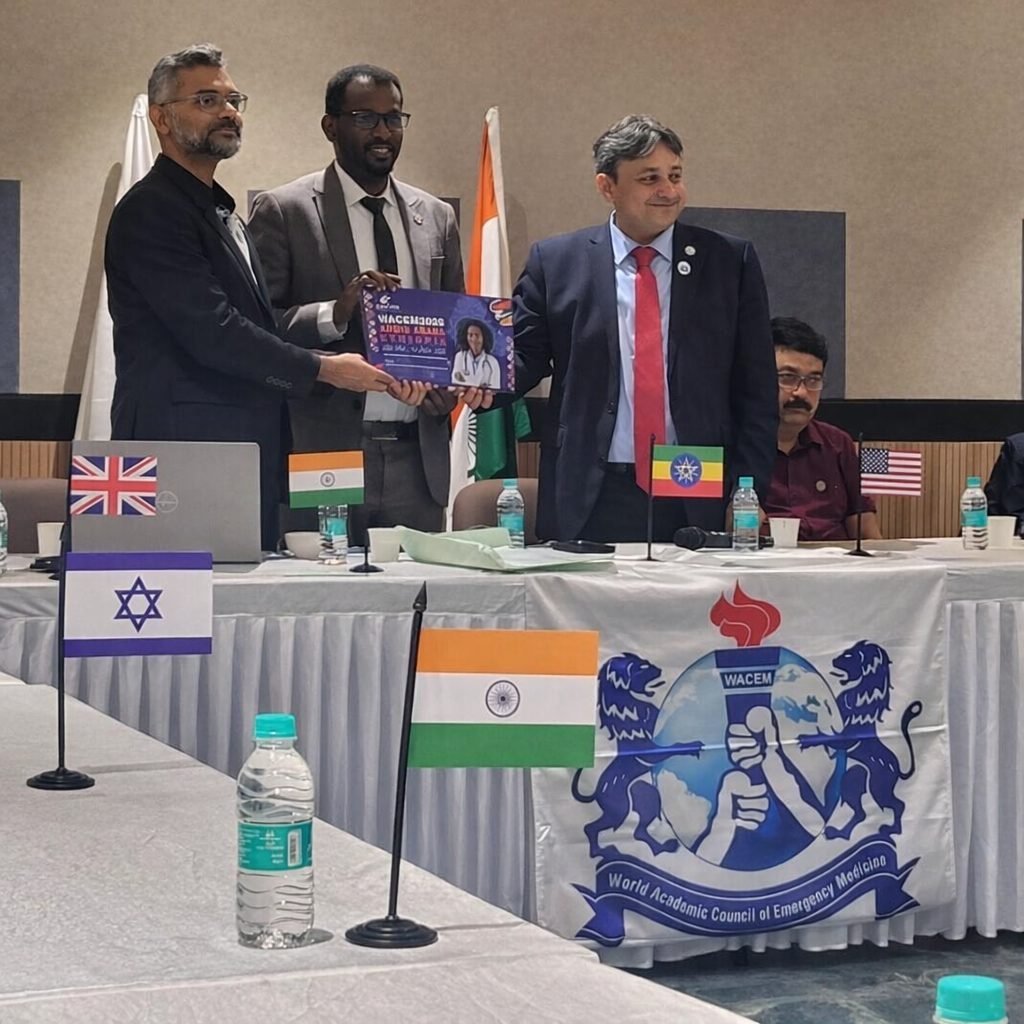
I went digging. WACEM isn’t old. It started as INDUSEM, a yearly meeting begun in 2005 with academics from the US and India. In 2014 they renamed it and set up a council, and since 2015 the congress moves countries every year : Dubai 2019 , Turkey 2023 , Rome 2024 , Mangaluru last year, which counted 1,500+ delegates across three co-located events . This year’s secretary general, Dr. Woldesenbet Waganew, the first African on WACEM’s list of secretaries general since 2015 and he’s one of the pioneers of emergency medicine in Ethiopia currently Associate Professor of Emergency Medicine at St. Paul's Hospital Millennium Medical College. 10
The field is younger than people think. In 1960 emergency medicine wasn’t a recognized specialty, and ERs were run by on-call physicians from assorted specialties. Eight doctors founded the American College of Emergency Physicians in Lansing, Michigan, in August 1968. 11 The first residency began in 1970 at Cincinnati , and the US recognized it as the 23rd specialty in 1979 . South Africa recognized it in 2003, and the African Federation for Emergency Medicine came in 2009.
Ethiopia’s story, in short: Addis Ababa University set up an emergency medicine task force in June 2006 12, and the first residency started in 2010 at Tikur Anbessa . When the Toronto partnership began that year, there were five residents, a room without monitors or airway equipment, and no emergency drugs ready. Graduates have since helped set up emergency departments in more and more public hospitals, plus six more residency programs.
I trained at Addis Ababa University and now work at Adama Hospital Medical College, so none of this is trivia to me. Sixteen years from the first residency to hosting a world congress. I keep doing that math.
A conference won’t fix a crowded emergency department by itself but it opens a candid expert level discussion to explore emergency care in low-resource settings. The opening plenary is “Emergency Medicine the African Way,” and I want to hear how that lands in a room in Addis.
One last thing. Ethiopia runs on its own calendar, and by it, it’s 2019 right now. So everyone flying in from 2026 gets to feel seven years younger the minute they land. The first COVID-19 cases didn’t show up until December 2019, so I’m wishing every participant a COVID-19-free stay. Welcome to 2019.
References
- Nowacki AK, Landes M, Azazh A, Puchalski Ritchie LM. A review of published literature on emergency medicine training programs in low- and middle-income countries. Int J Emerg Med. 2013 Jul 17;6(1):26. doi:10.1186/1865-1380-6-26. PMID: 23866095; PMCID: PMC3718616. ↩︎
- https://www.wacem2026.org/ ↩︎
- https://www.worldhistory.org/Italo-Ethiopian_Wars/ ↩︎
- https://www.betamasaheft.uni-hamburg.de/about/language.html ↩︎
- https://en.wikipedia.org/wiki/Ethiopian_calendar ↩︎
- https://en.wikipedia.org/wiki/Lucy_(hominid) ↩︎
- https://allafrica.com/stories/202407300077.html ↩︎
- https://atcnews.org/ethiopia-the-birthplace-of-coffee/ ↩︎
- https://ich.unesco.org/en/RL/gada-system-an-indigenous-democratic-socio-political-system-of-the-oromo-01164 ↩︎
- https://wacem.org/ ↩︎
- https://www.acepnow.com/1968-1979/ ↩︎
- Firew T, Gebreyesus A, Woldeyohannes L, Ebrahim F, Patel S. Human resources for emergency care systems in Ethiopia: Challenges and triumphs. Afr J Emerg Med. 2020;10(Suppl 1):S50-S55. doi:10.1016/j.afjem.2020.09.006. Epub 2020 Sep 30. PMID: 33318902; PMCID: PMC7723913. ↩︎
What did you think?