Scene to Cloud: 5 Epic Highlights from WACEM 2026 (Addis Ababa)
The congress met at a museum built to honor the Battle of Adwa. It announced a global grand rounds series where developing countries show how they practice, and staged a debate over AI that ended in a one-line verdict.
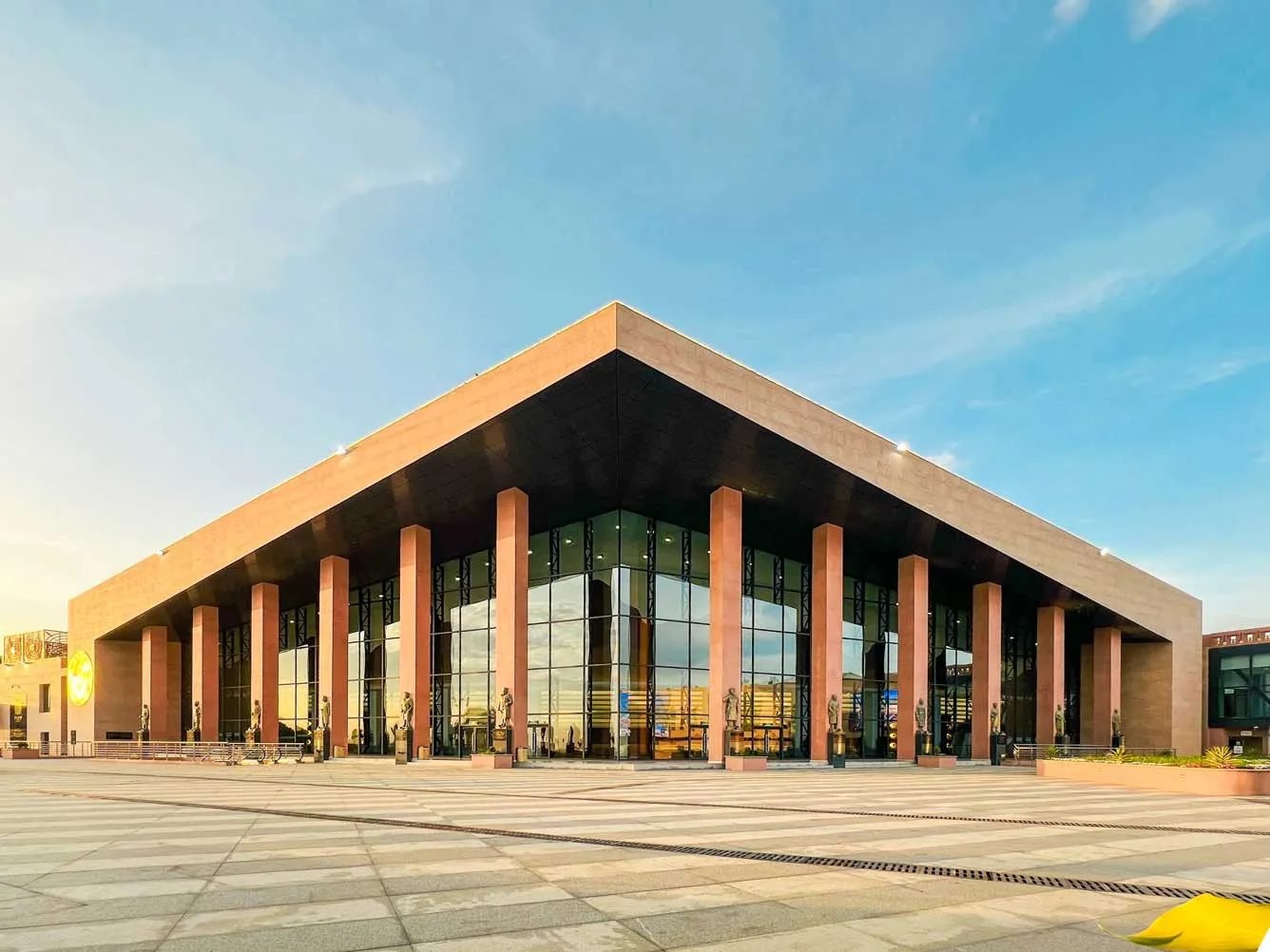
If you weren’t at the Adwa Victory Memorial Museum from October 27 to 29, 2026, let me paint the picture for you: it was an absolute blockbuster.
Bringing the World Academic Congress of Emergency Medicine (WACEM) to African soil for the very first time wasn't just a milestone; it was a full-circle moment. Standing there in a venue built to honor the historic 1896 Battle of Adwa, where Ethiopians safeguarded their sovereignty under the leadership of Emperor Menillik II, Empress Tayitu Bitul and the 12 generals, as the marching band echoed through the hall leading into the national anthem with the legendary athlete Haile Gebrselassie in attendance, the sense of pride was palpable. I knew right then: strap in your shoes; this is going to be epic.
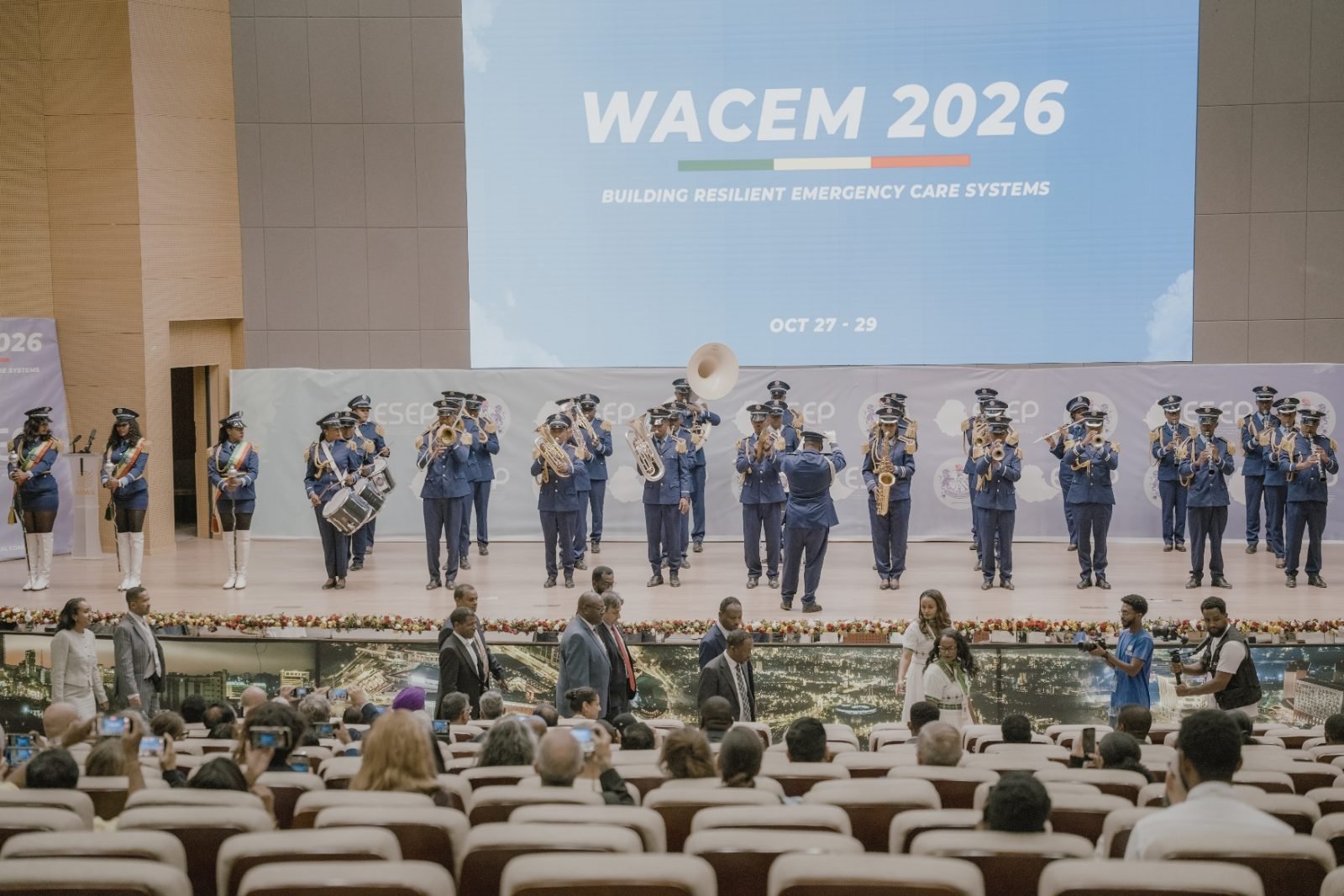
From the opening remarks by Addis Ababa University (AAU) President Dr. Samuel Kifle, Chief Academic Director of WACEM Prof. Sagar Galwankar, and athlete Haile Gebrselassie, the energy never dipped. Grab your coffee: here’s a front-row look at the top takeaways from a landmark three days.
1. Honors to Prominent figures of Emergency Medicine#
Before diving into the future, WACEM took time to honor the roots of EM in Ethiopia. Massive recognition was given to Dr. James Maskalyk (University of Toronto) and Prof. Aklilu Azazh (Tikur Anbessa Specialized Hospital) for their pioneering work in building the Toronto Addis Ababa Academic Collaboration (TAAAC) partnership: a relationship that laid the foundation for modern emergency medicine training in Ethiopia.
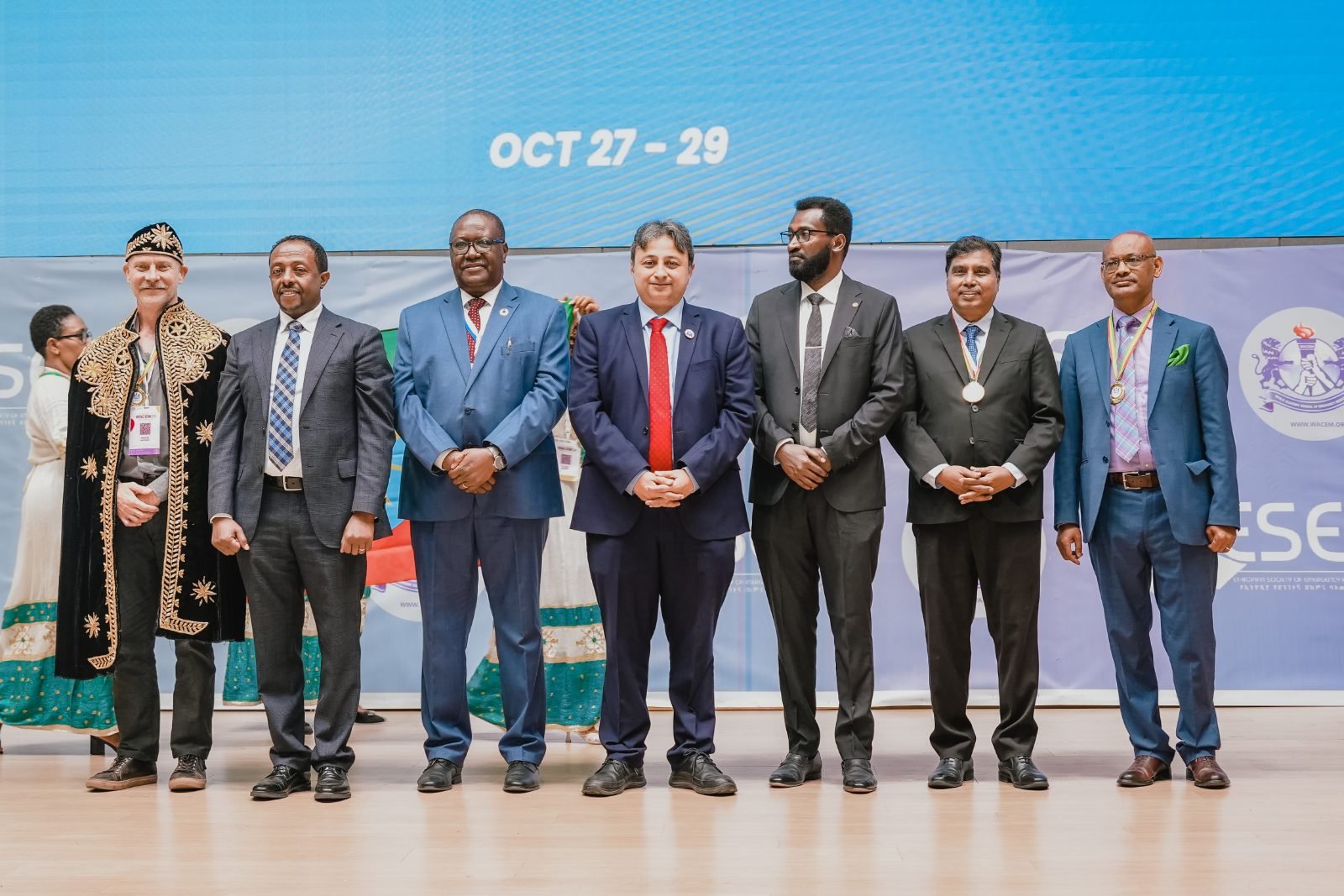
Honors also went to Datuk Dr. Mohamed Alwi Bin Hj Abdul Rahman (Chairperson of National Disaster Management, Malaysia) for his ground-breaking contributions to mass-casualty medicine. Seeing these giants recognized on the same stage set a deeply collaborative tone for the rest of the congress.
2. The Game-Changer: Launch of the Global Emergency Grand Round Series#
When Dr. Harman Gill (NYU Grossman Long Island School of Medicine) took the stage to announce the launch of the Global Emergency Grand Round Series, my fellow colleagues and I almost jumped out of our seats. This isn't just another standard FOAMed (Free Open Access Medical Education) platform. This is a dynamic, bidirectional space where developing nations can showcase how medicine actually works in high-acuity, resource-limited environments.
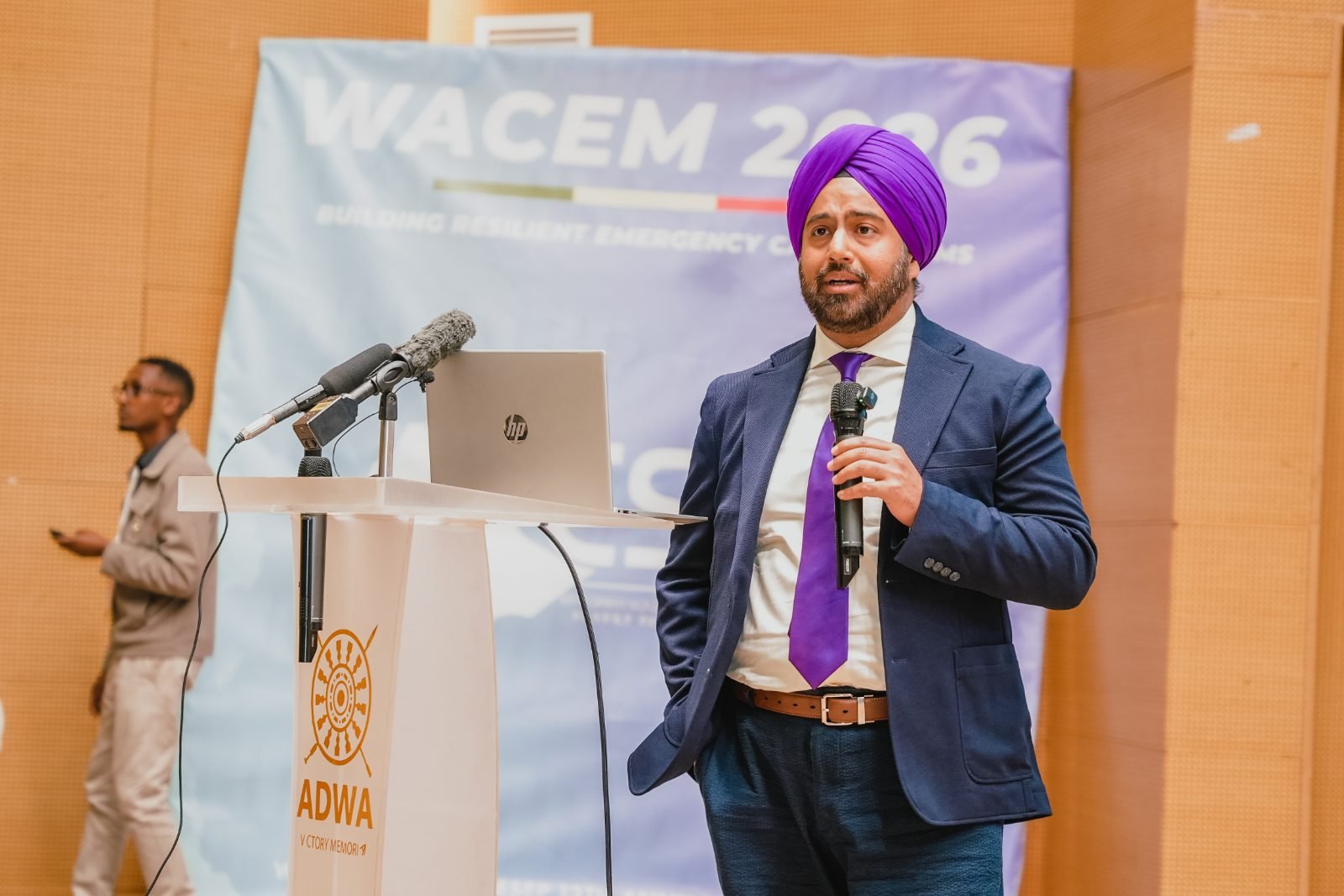
It opens the floor to compare real-world evidence: how do "outdated" or alternative regimens perform against standard first-line therapies across different ethnicities and healthcare systems? Off-stage, Dr. Gill was practically buzzing with pride and connection, predicting the platform will be live within a few months.
3. The Great Artificial Intelligence Battle#
The debate on the future of AI in emergency and critical care within resource-limited settings was nothing short of electric. The Contenders: Dr. Sharad Patel (Cooper Medical School) argued that investing directly in an AI-first framework is the fastest route to accelerating patient care quality. Countering him, Dr. Seife Yohannes (MedStar Washington Hospital Center) made the case that technology should serve as an aid rather than taking precedence over human clinical judgment at the bedside. The Moderators: Dr. Ayalew Zewdie Tadesse and Dr. Shama Patel, who somehow managed to keep their composure and keep the room interactive during the funniest (and most heated!) exchanges. The intellectual sparring was top-tier, but the ultimate mic-drop moment came when the room rallied around the true role of tech in clinical practice: "AI should be IA, standing for Intelligence Assistant." said by Dr. Seife Yohannes.
4. Building Resilient Systems: The African Blueprint#
We saw one of the strongest panels of system builders ever assembled on one stage: Dr. Joseph Bonney (AFEM President), Prof. Aklilu Azazh, Dr. Benjamin Wachira (EMKF), Dr. Tsion Firew (Africa Health Sciences University), Dr. Rukia, Prof. Vimal Pillai, and Prof. Sagar Galwankar.
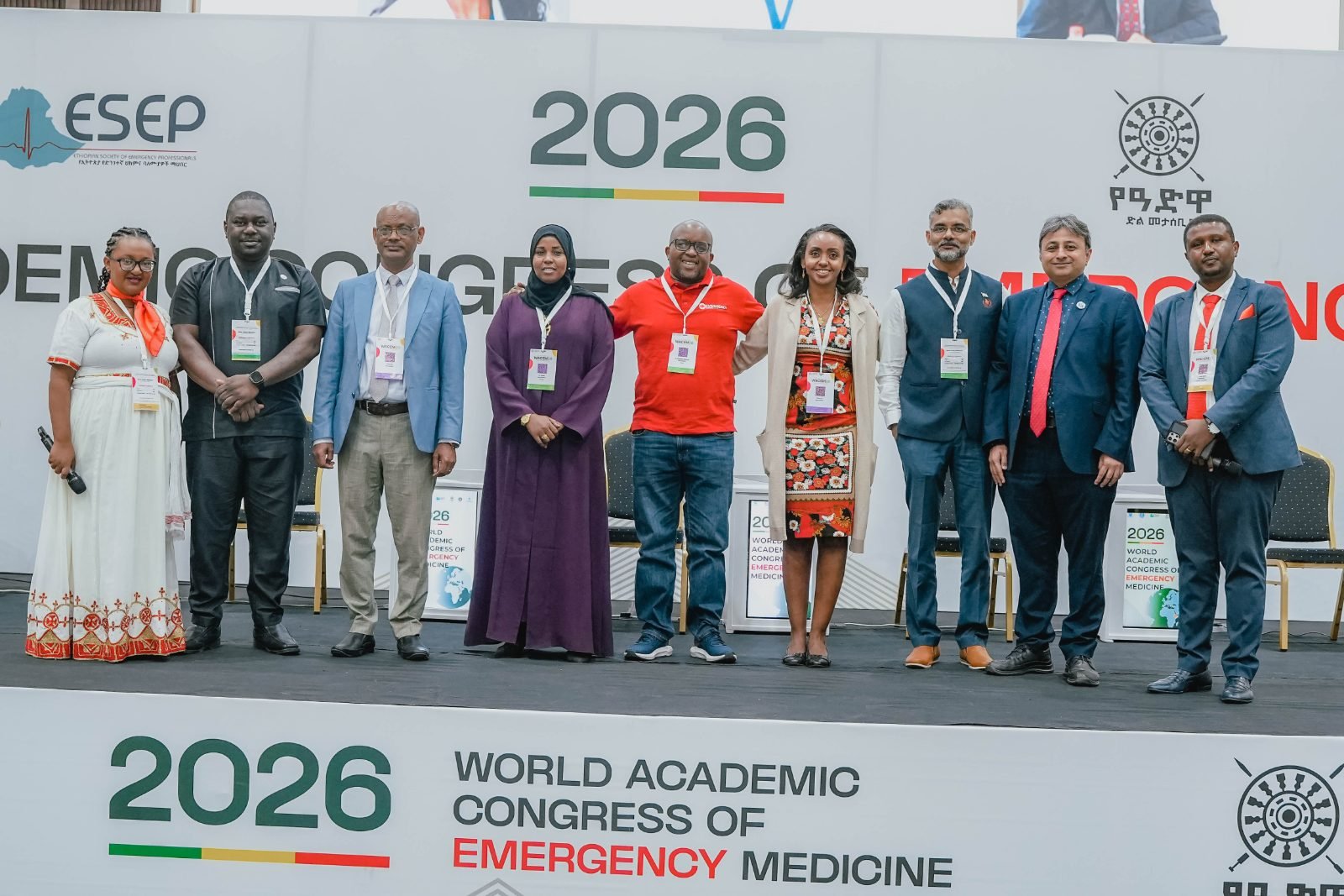
Moderated expertly by Dr. Biruk Girma and Dr. Kalkidan Samuel, this session explored abstract theories for actionable solutions. The collective wisdom on regional health integration and resource-aware innovation proved that Africa isn't merely adopting emergency care modes; it is actively shaping and redefining them for the world.
5. "The Future of Science is Ethiopia"#
Prof. Sagar Galwankar closed out WACEM 2026 with a line that echoed long after the final session wrapped up: "In Africa, academia is alive, and it will thrive... The future of science is Ethiopia."
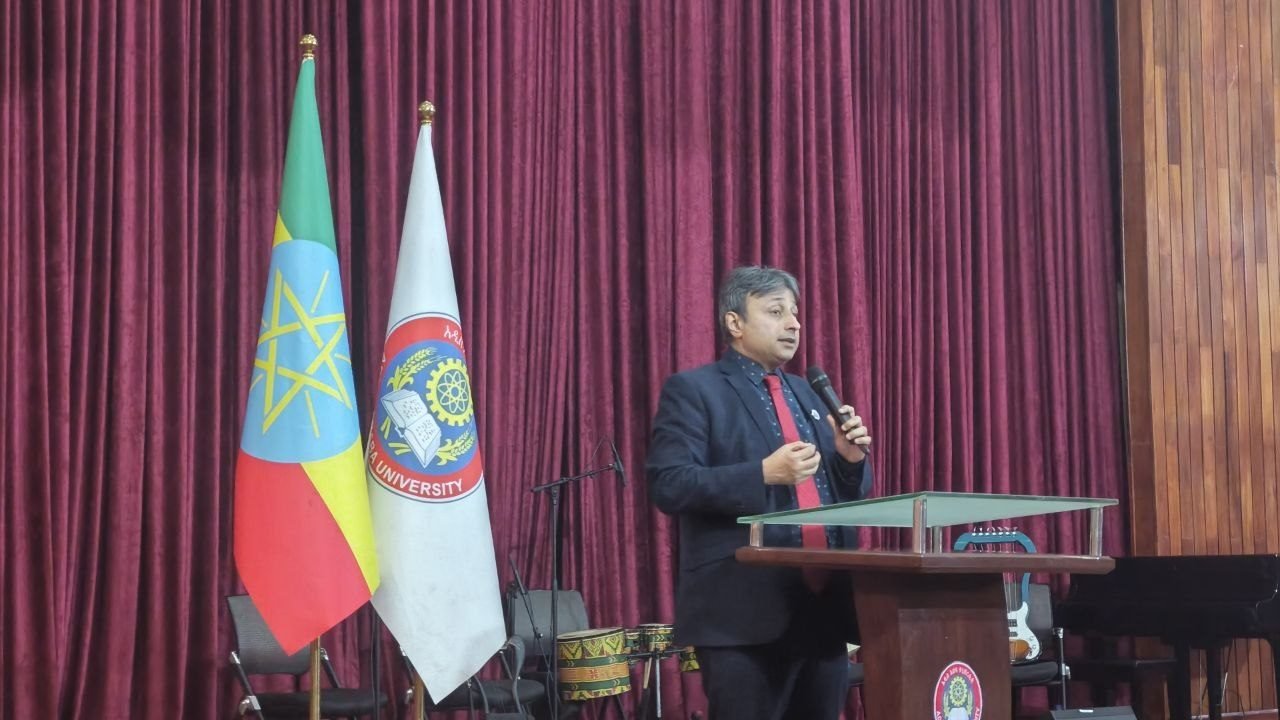
With one of the youngest, most driven cohorts of healthcare professionals in the world, constantly investigating, innovating, and paying it forward, he couldn't have said it better. WACEM 2026 proved that when global expertise meets local resilience, emergency medicine doesn't just adapt. It leads.
What was your favorite moment from WACEM 2026? Emergency and Critical Care Professionals are invited to register and write on TriageCode MD.
Are you interested in presenting real-world case studies or hosting a session for the upcoming Global Emergency Grand Round Series? Reach out to us at TriageCodes or connect with the WACEM network to get your team involved. ጤና ይስጥልኝ! Cheers! Afya! Santé!
What did you think?