From Lecturing to Demonstrating: Teaching Emergency Medicine in the Age of Reels
A senior academic leader in emergency medicine told a congress in Ethiopia that teaching must move from lecturing to demonstrating, within years not a decade. Why I agree, and what it asks of us who teach.

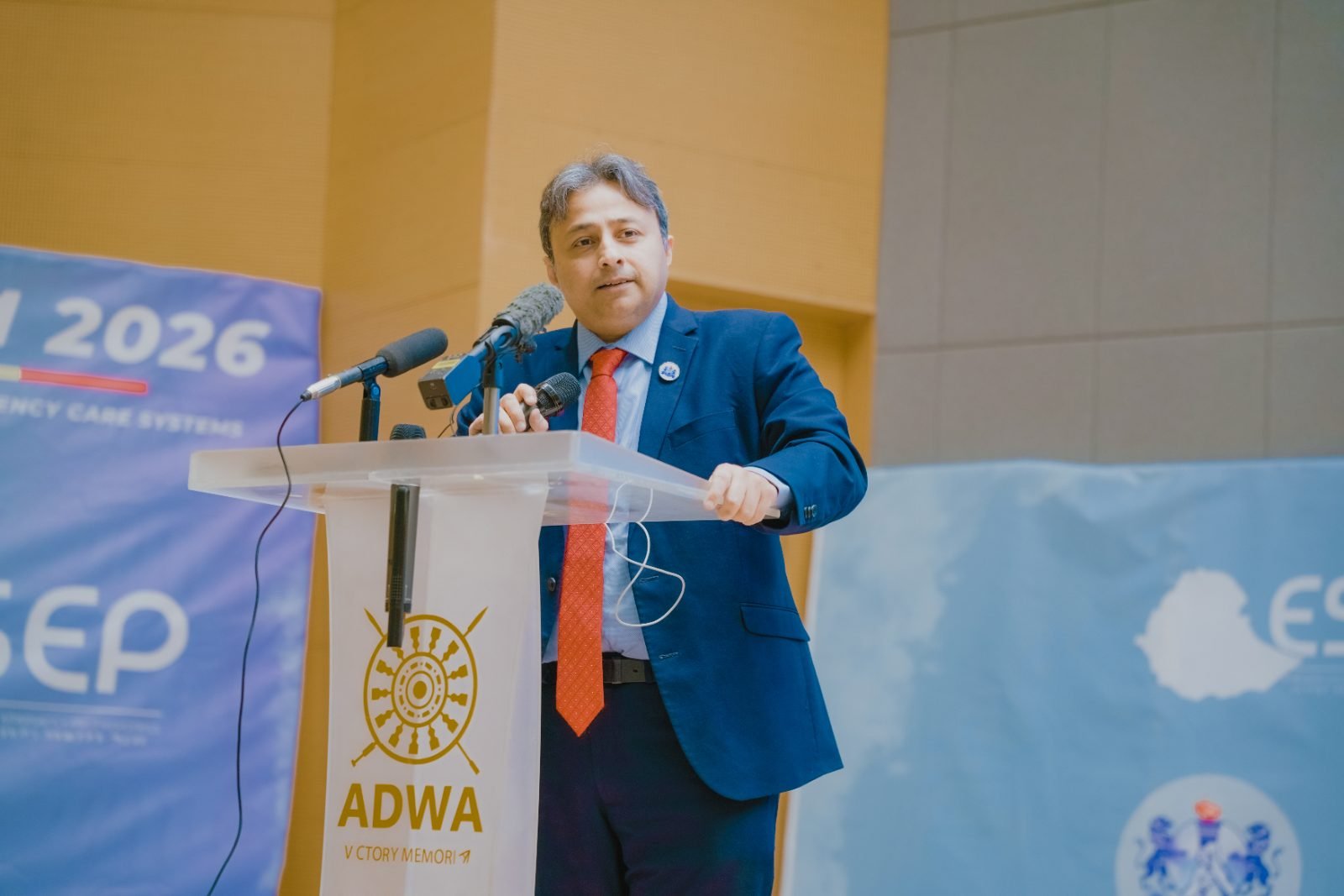
At the World Academic Congress of Emergency Medicine (WACEM) 2026 in Addis Ababa, Professor Sagar Galwankar, a well respected prominent leader in the field, one of the founders of the World Academic Council of Emergency Medicine and Director for Research in Emergency Medicine at Florida State University (FSU), said something I keep coming back to. He described a next generation that moves faster, has a short attention span, and would rather watch reels and do things than read and listen. His recommendation:
So we have to move from lecturing to demonstrating, and that is a big shift for my generation. Academics are going to change, and must change, in the next few years - not over a decade.
What got me was where he saw the opportunity: in how we teach, starting with his own generation. This self reflection is powerful enough to inspire the future educators in the field. Instructional design is a science, and it now needs an adjustment that shifts academic medicine toward more and more practical skills. The share of lecturing relative to demonstration should keep shrinking, so that medical students and residents are equipped with the art of saving lives in busy emergency departments.
In an era when Artificial Intelligence (AI) is reaching every walk of life, academia included, it is essential to shift the way we teach medicine towards practical skills, bedside demonstrations and simulation. The responsibility for making sessions less boring and more engaging rests with the educator, who should adapt first in order to influence students positively. This approach must also introduce closed-loop communication between students and educators. The teacher demonstrates: shows how it’s done and says the reasoning out loud. The learner demonstrates too: shows us, with someone watching, that they can do it. A lecture mostly does neither.1
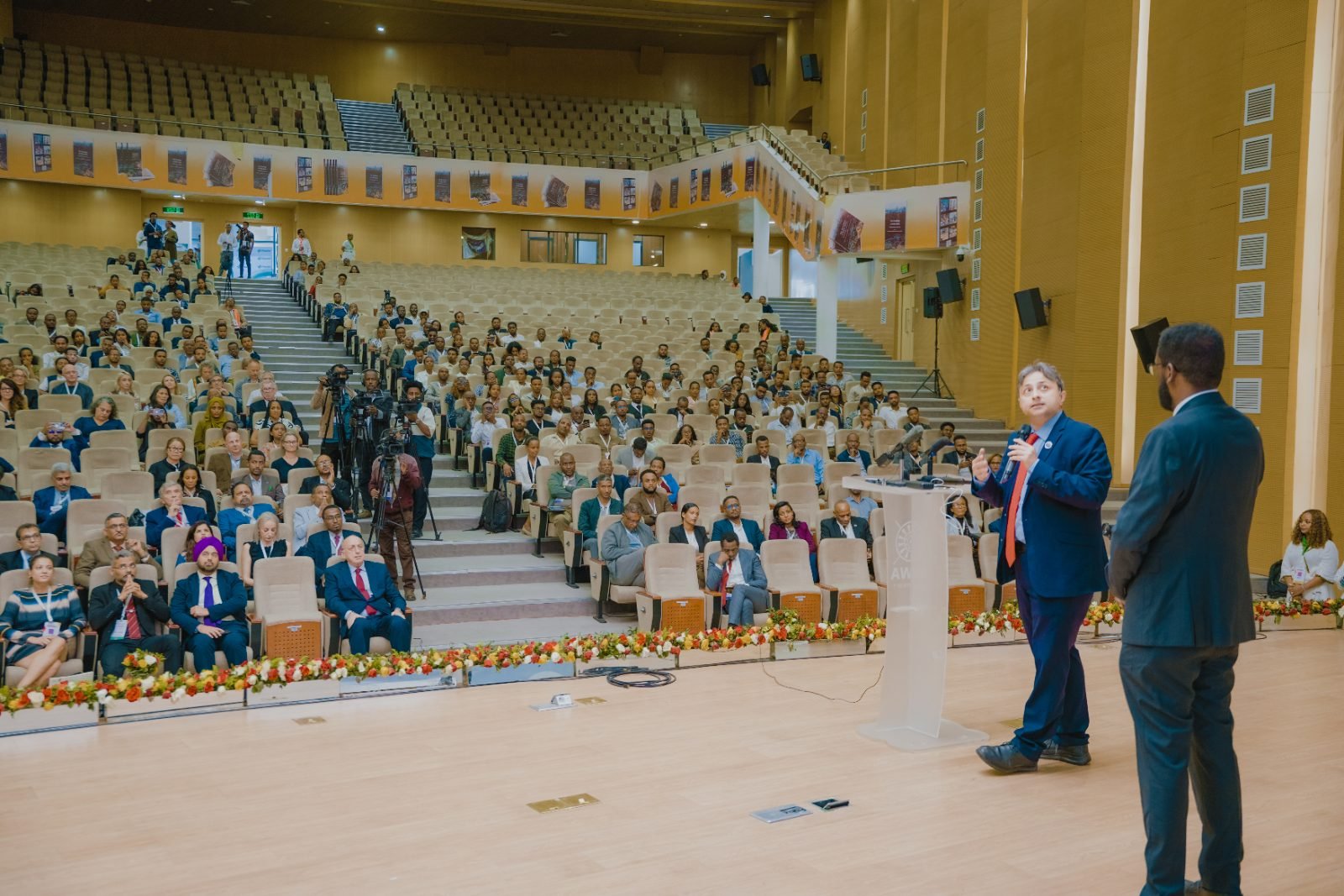
Emergency medicine heavily demands real-time decision making, professional efficiency and situational awareness. The Miller's pyramid's stratification of clinical competence serve as a primary blueprint for mapping both training curricula and assessments.2,3 The role of frameworks like Observe, Assist, Supervised Performance, Supervise others (OASIS) are instrumental in promoting evidence-based procedural supervision in Emergency Medicine.4
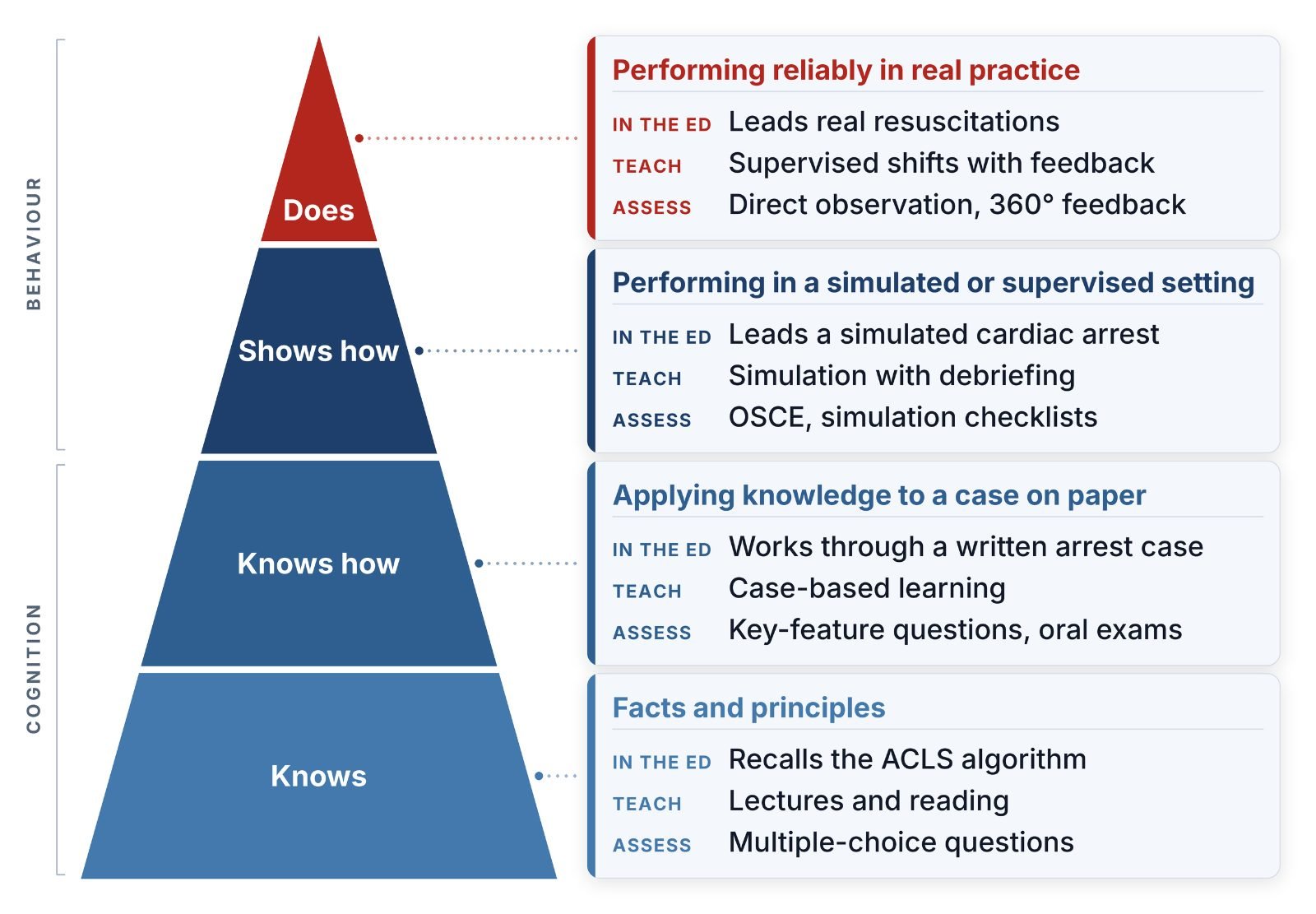
The WACEM 2026 congress emphasized the role of practical bedside and simulation-assisted medical education across multiple sessions, to optimize educational outcomes and strengthen excellence in professional competency. In the era of AI, instructional design is shifting from manual content production to strategic experience architecture, where AI handles rapid drafting while humans focus on meaning, empathy, and business alignment.
WACEM 2026 kept returning to bedside and simulation teaching, in several of its sessions, and I think that’s the right direction. The role of AI in emergency medicine education needs measurement of its efficiency and efficacy. Collaborating with experts in the field and producing scientific evidence on methodologies of teaching Emergency Medicine and its sub-domains remains to be the most impactful way forward.
References
- Gordon, M., Daniel, M., Ajiboye, A., Uraiby, H., Xu, N. Y., Bartlett, R., … Thammasitboon, S. (2024). A scoping review of artificial intelligence in medical education: BEME Guide No. 84. Medical Teacher, 46(4), 446–470. https://doi.org/10.1080/0142159X.2024.2314198 ↩︎
- Miller GE. The assessment of clinical skills/competence/performance. Acad Med. 1990;65(9 Suppl):S63-7. ↩︎
- Witheridge A, Ferns G, Scott-Smith W. Revisiting Miller’s pyramid in medical education: the gap between traditional assessment and diagnostic reasoning. Int J Med Educ. 2019;10:191-2. doi:10.5116/ijme.5d9b.0c37 ↩︎
- Katyal A, Krishnan S V. Skill progression models in emergency medicine training: a narrative review and the development of the OASIS framework. Int J Emerg Med. 2025 Oct 1;18(1):186. doi:10.1186/s12245-025-00994-1. PMID: 41034701; PMCID: PMC12487538. ↩︎
What did you think?